ES ▾
Limpieza de residuos biológicos en el transporte público en Detroit, MI
Profesionales con licencia de Detroit para limpieza de residuos biológicos en el transporte público, para reparaciones, instalaciones y mejoras — precios por adelantado, programación rápida y trabajo limpio que perdura.
Qué incluye
How it works
Preguntas frecuentes sobre limpieza de residuos biológicos en transporte público
¿Qué servicios de limpieza de residuos biológicos ofrecen en Detroit?+
¿Los profesionales de limpieza de residuos biológicos tienen licencia y seguro en Míchigan?+
¿Qué tan rápido pueden responder en Detroit?+
¿Ofrecen presupuestos gratuitos?+
¿A quién llamo para una emergencia de limpieza de residuos biológicos en Detroit?+
¿Cómo puedo verificar que una empresa de limpieza de residuos biológicos en Detroit tiene licencia y es legítima?+
Public Transit Biohazard Cleanup in Detroit
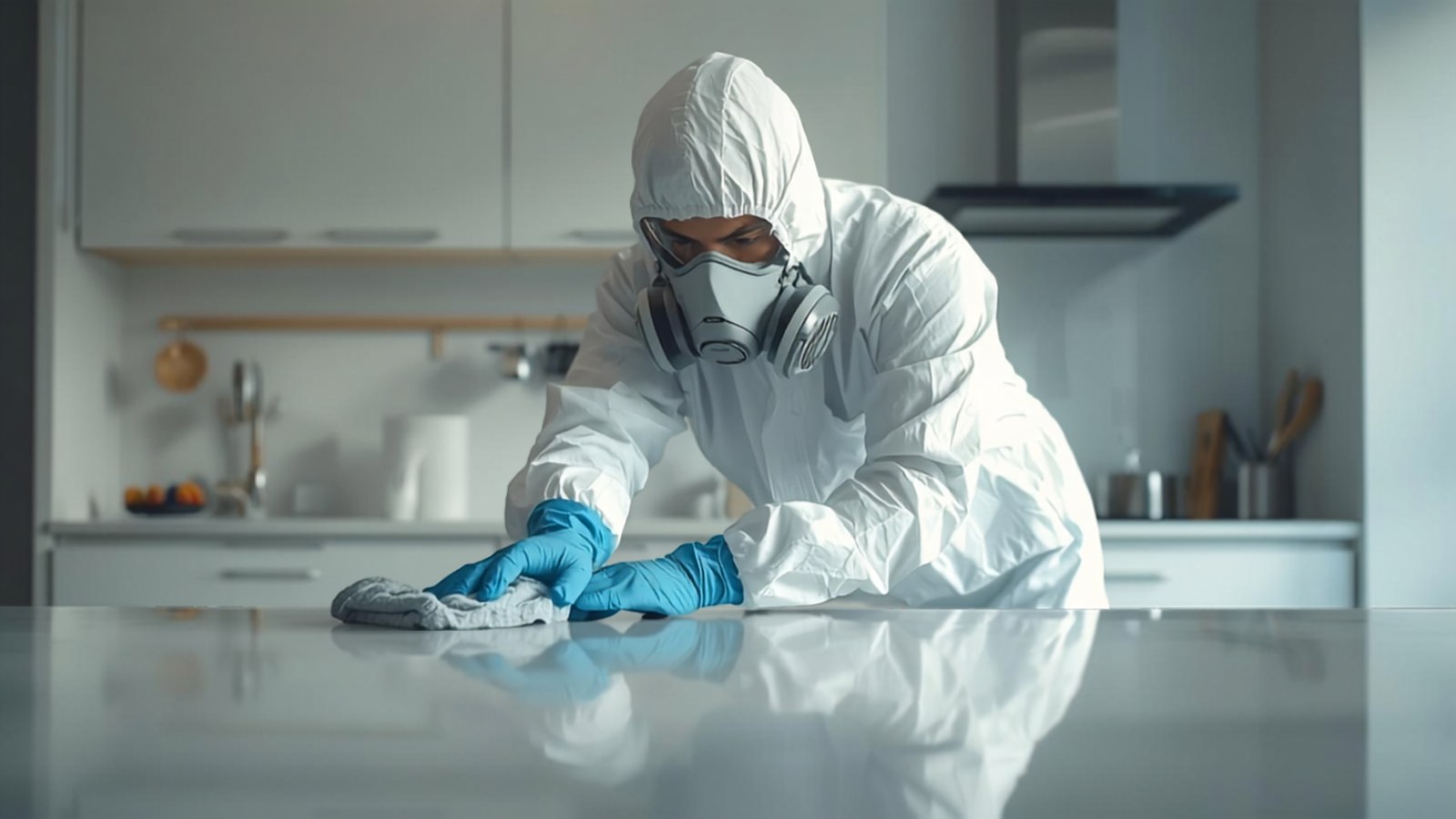
Public transit biohazard cleanup in Detroit involves the safe and thorough remediation of biological hazards within buses, trains, streetcars, and transit stations. This work is distinct from general cleaning because it addresses potentially infectious materials such as blood, bodily fluids, vomit, feces, or other contaminants resulting from medical emergencies, accidents, violent incidents, or unsheltered individuals using transit spaces. The process begins with a site assessment to identify all affected areas, followed by the use of hospital-grade disinfectants and specialized equipment to remove biohazards, deodorize, and sanitize surfaces. Technicians wear full personal protective equipment (PPE) to prevent exposure to bloodborne pathogens, and all waste is disposed of according to federal and state regulations. For Detroit properties, this service matters because public transit vehicles and facilities are high-traffic environments where contamination can quickly spread, posing health risks to passengers, drivers, and maintenance staff. Prompt cleanup restores the safety and usability of these spaces, preventing the closure of vital routes or stations and maintaining public trust in Detroit’s transit infrastructure.
Detroit’s public transit system includes buses operated by the Detroit Department of Transportation (DDOT) and the Suburban Mobility Authority for Regional Transportation (SMART), as well as the QLine streetcar along Woodward Avenue. Biohazard incidents on these vehicles often occur during peak hours when crowds are dense, making swift response critical. Technicians must navigate tight spaces like bus aisles or train seats, ensuring no residue remains on upholstery, handrails, or floors. The cleanup process also extends to transit hubs such as the Rosa Parks Transit Center or the Michigan Central Station, where waiting areas and restrooms may become contaminated. For property managers, transit authorities, or business owners near stops, this cleanup prevents liability issues and ensures compliance with health codes. Without specialized biohazard remediation, porous materials like fabric seats can harbor pathogens, leading to repeated exposure risks. Detroit’s climate further complicates matters, as cold winters drive more people indoors, increasing the likelihood of incidents in enclosed transit spaces.
Areas We Cover in Detroit
Our public transit biohazard cleanup services cover the full Detroit area, including neighborhoods and landmarks such as Airport Sub, Arden Park, Art District, Aviation Sub, Bagley, and Banglatown. We also serve locations near local spots like -320° Coffee & Creamery, (revolver), ~W~ Liquor Beer Wine Lotto, and 107.5 FM WGPR. Whether you manage a bus depot near the Art District or need cleanup at a station close to Bagley, we respond to any transit-related biohazard situation within Detroit’s city limits.
What to Expect
- A trained team arrives in marked vehicles with PPE and biohazard kits for transit-specific cleanup.
- We isolate the affected vehicle or area to minimize disruption to transit schedules.
- All surfaces, including seats, handrails, and floors, are cleaned and disinfected using EPA-approved products.
- Biohazard waste is sealed, labeled, and removed for proper disposal.
- The area is inspected to confirm no contamination remains before reopening for public use.
Call to Action
If you need public transit biohazard cleanup in Detroit, contact Detroit Biohazard Cleanup to schedule a professional response. We handle the job quickly and discreetly, so your transit spaces are safe for riders and staff. Reach out today to discuss your situation.