ES ▾
Remediación de moho y residuos biológicos en Detroit, MI
Profesionales autorizados en remediación de moho y residuos biológicos en Detroit para reparaciones, instalaciones y mejoras: precios claros, programación rápida y trabajo limpio que perdura.
Qué incluye
How it works
Preguntas Frecuentes sobre Remediación de Moho y Riesgos Biológicos
¿A qué vecindarios de Detroit prestan servicio?+
¿Qué métodos de pago aceptan?+
¿Cuánto cuesta la limpieza de residuos biológicos en Detroit?+
¿Por qué elegir Detroit Biohazard Cleanup?+
¿A quién llamo para una emergencia de limpieza de residuos biológicos en Detroit?+
¿Cómo puedo verificar que una empresa de limpieza de residuos biológicos en Detroit tenga licencia y sea legítima?+
Mold & Biohazard Remediation in Detroit
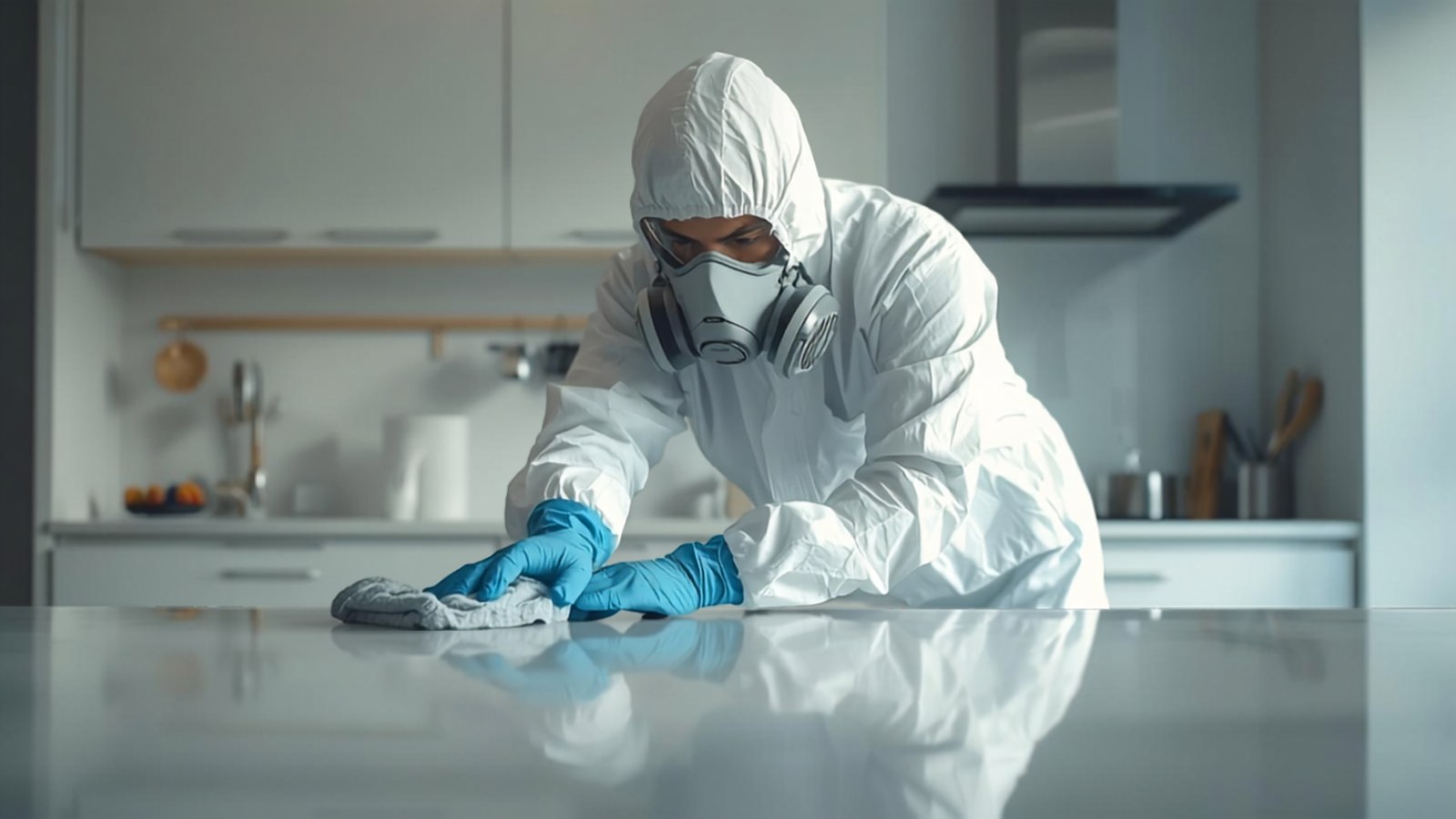
Mold and biohazard remediation in Detroit requires a specialized approach that addresses both the visible contamination and the underlying conditions that allow these hazards to thrive. Mold growth is common in Detroit’s older buildings, where moisture intrusion from aging roofs, leaking pipes, or basement flooding creates ideal conditions for spore proliferation. Biohazards, including sewage backups, animal waste, or unattended death scenes, introduce pathogens and toxins that demand rigorous containment and removal. The remediation process begins with a thorough assessment to identify all affected areas, followed by containment to prevent cross-contamination. For mold, this involves HEPA vacuuming, antimicrobial treatments, and physical removal of contaminated materials like drywall or insulation. For biohazards, the work includes removal of bodily fluids, disinfection with EPA-registered agents, and disposal of porous materials that cannot be sanitized. The goal is not just to clean but to restore the property to a safe, habitable condition by addressing the source of moisture or contamination. In Detroit, where many structures have complex histories of neglect or damage, this work often involves navigating tight spaces, multiple floors, or mixed-use buildings. Proper remediation protects occupants from respiratory issues, infections, and long-term structural deterioration, making it essential for homeowners, landlords, and business owners alike.
The process for mold and biohazard remediation in Detroit follows a strict protocol to ensure safety and effectiveness. For mold, technicians establish negative air pressure with scrubbers to trap spores, remove visibly affected materials, and apply fungicides to remaining surfaces. Drying the area thoroughly is critical to prevent regrowth, which may require dehumidifiers and air movers for several days. For biohazards, the process includes donning full PPE, removing all contaminated items, and cleaning every surface with hospital-grade disinfectants. Specialized tools like thermal imaging cameras help detect hidden moisture that could lead to future mold problems. In Detroit, where extreme weather swings from humid summers to freezing winters can exacerbate moisture issues, remediation must be adapted to the season and building type. The work often extends beyond the immediate contamination to include ventilation improvements, sump pump repairs, or sealing cracks in foundations. This comprehensive approach is necessary because mold and biohazards do not respect boundaries—they can spread through HVAC systems, wall cavities, or floorboards if not fully contained. For Detroit properties, this means the difference between a temporary fix and a lasting solution that protects both health and property value.
Areas We Cover in Detroit
Detroit Biohazard Cleanup serves properties across Detroit, including Airport Sub, Arden Park, Art District, Aviation Sub, Bagley, and Banglatown. Our teams are familiar with the distinct building styles and common issues in each neighborhood, from the historic homes near Arden Park to the commercial spaces in the Art District. We also work near local landmarks such as -320° Coffee & Creamery, (revolver), ~W~ Liquor Beer Wine Lotto, and 107.5 FM WGPR, ensuring that no matter where your property is located in the city, you have access to professional mold and biohazard remediation.
What to Expect
When you schedule mold or biohazard remediation with us, here is what the process involves:
- An initial inspection to identify all affected areas and determine the scope of work.
- Setup of containment barriers and negative air pressure to isolate the contamination.
- Removal of moldy or biohazardous materials using industry-standard equipment.
- Cleaning and disinfection of all surfaces with antimicrobial or hospital-grade agents.
- Drying and monitoring to confirm moisture levels are safe and regrowth is prevented.
- Final clearance testing to verify the area is free of contaminants.
- A detailed report of the work completed for your records or insurance claims.
Call Detroit Biohazard Cleanup today to schedule an assessment for your property. Our team is ready to handle mold and biohazard situations in Detroit with the care and thoroughness they require.