EN ▾
Confined Space Biohazard Cleanup in Detroit, MI
Licensed Detroit confined space biohazard cleanup pros for repairs, installs and upgrades — upfront pricing, fast scheduling, and tidy work that lasts.
What's included
How it works
Confined Space Biohazard Cleanup FAQ
Do you provide free estimates?+
Which neighborhoods in Detroit do you serve?+
What payment methods do you accept?+
How much does biohazard cleanup cost in Detroit?+
Who do I call for a biohazard cleanup emergency in Detroit?+
How can I verify a biohazard cleanup company in Detroit is licensed and legitimate?+
Confined Space Biohazard Cleanup in Detroit
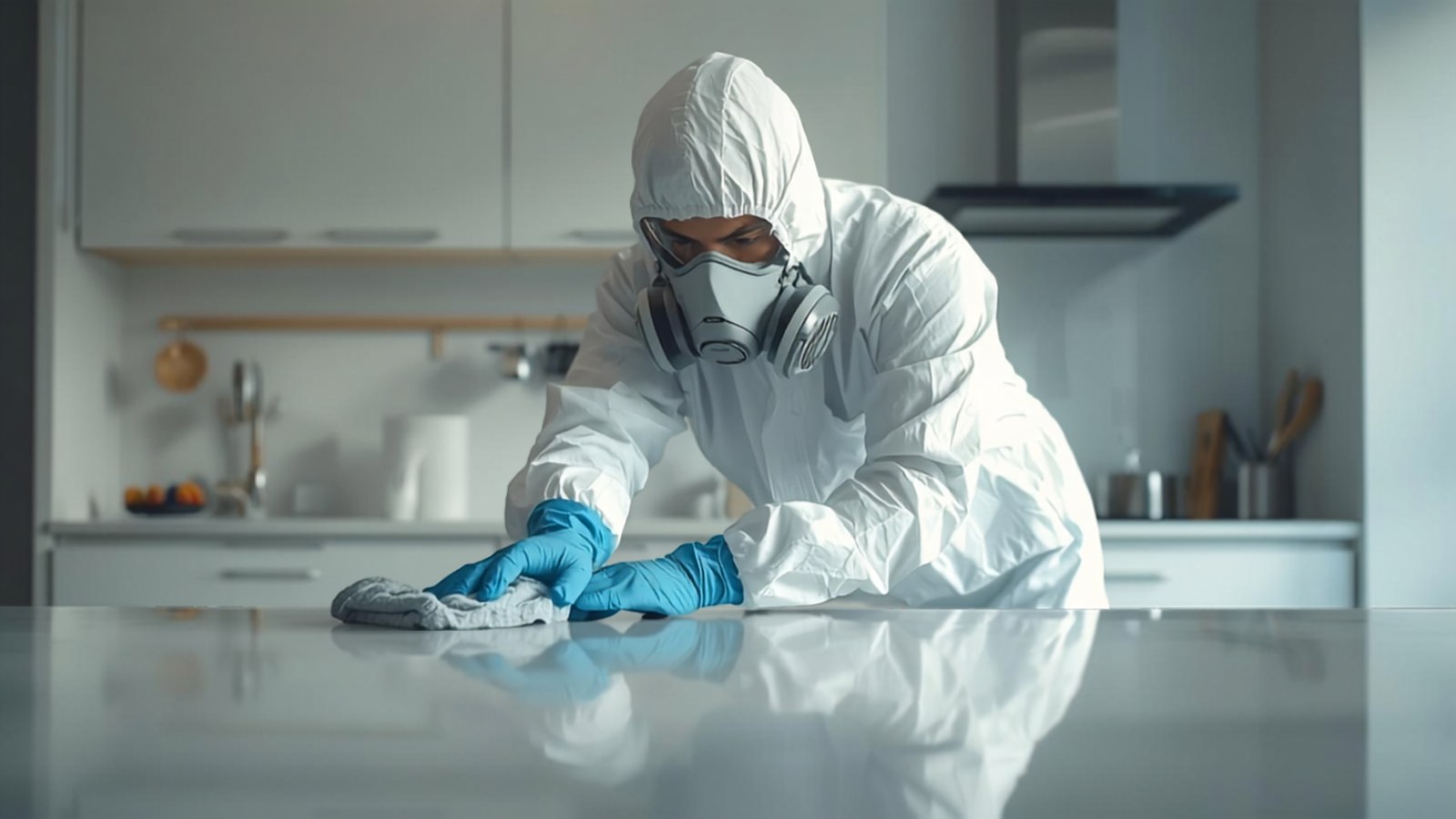
Confined space biohazard cleanup in Detroit involves the remediation of hazardous biological materials within areas that are not designed for continuous human occupancy and have limited entry or exit points. Unlike standard biohazard cleanup on open floors or walls, this work requires technicians to physically enter crawlspaces, attics, basements, utility tunnels, elevator shafts, or abandoned industrial voids where decomposition fluids, bloodborne pathogens, or chemical contaminants have accumulated. These spaces often lack ventilation, lighting, and stable footing, which compounds the risks from airborne pathogens, sharp debris, and structural instability. The process begins with a thorough hazard assessment of the confined space, including atmospheric testing for oxygen levels and toxic gases. Technicians then isolate the area, set up negative air pressure systems to control aerosolized contaminants, and use specialized extraction tools to remove bulk biohazards without cross-contaminating adjacent areas. Every surface within the confined space is scrubbed with hospital-grade disinfectants, and porous materials like insulation or rotted wood that cannot be fully decontaminated are removed and disposed of according to Michigan regulatory standards. The final step involves applying an antimicrobial sealant to encapsulate any remaining microscopic hazards and verifying cleanliness through ATP testing.
For Detroit properties, confined space biohazard cleanup is critical because many older homes and commercial buildings in the city contain tight, unsealed spaces that have collected years of biological debris from rodent infestations, sewage backups, or unattended deaths. In neighborhoods like Bagley or Aviation Sub, aging basements and crawlspaces can harbor dried blood, fecal matter, and decomposition fluids that seep into subflooring and support beams. If left untreated, these contaminants not only create persistent odors and attract pests but also degrade indoor air quality, affecting occupants with respiratory conditions common in urban environments. The confined nature of these spaces means that standard cleaning methods are ineffective—mopping or fogging alone cannot reach hidden pockets of contamination. Proper cleanup requires dismantling barriers, accessing voids through small openings, and treating every inch of the space to prevent recontamination. Detroit Biohazard Cleanup approaches each confined space job with the understanding that visibility is limited, hazards are concentrated, and the goal is full remediation rather than cosmetic improvement. This work directly supports the safety and habitability of Detroit’s residential and commercial structures.
Areas We Cover in Detroit
We provide confined space biohazard cleanup across Detroit, including Airport Sub, Arden Park, the Art District, Aviation Sub, Bagley, and Banglatown. Our service area also reaches local landmarks such as -320° Coffee & Creamery, (revolver), ~W~ Liquor Beer Wine Lotto, and 107.5 FM WGPR, ensuring that properties in these neighborhoods and their surrounding blocks receive the same thorough, code-compliant remediation.
What to Expect
When you contact Detroit Biohazard Cleanup for confined space biohazard cleanup, here is what the process looks like:
- A technician will inspect the confined space to assess access points, contamination levels, and ventilation needs.
- The area will be sealed off to prevent cross-contamination while equipment is set up for safe entry.
- Technicians will remove all biohazardous materials using tools designed for tight spaces, followed by a full disinfection of every surface.
- After cleanup, the space will be treated with an antimicrobial sealant and tested to confirm it meets safety standards.
- You will receive a detailed report of the work completed, including documentation for insurance or property records.
Call Detroit Biohazard Cleanup for Confined Space Biohazard Cleanup
If you have a confined space in your Detroit property that requires biohazard cleanup, call Detroit Biohazard Cleanup today. We handle the complexities of confined space remediation so you can focus on restoring your property safely.